
PSDI was delighted to have a presence at Future Labs Live 2026, which brought together researchers, industry leaders, and technology providers to explore how laboratories are evolving in the face of increasing digitalisation and the growing influence of AI. A sister event to London Lab Live, the programme featured a mix of talks, panels, working groups, and an exhibition space. Beyond the formal sessions, Future Labs Live also provided valuable opportunities to connect with the wider community, explore emerging technologies, and exchange ideas on the future of research infrastructure.
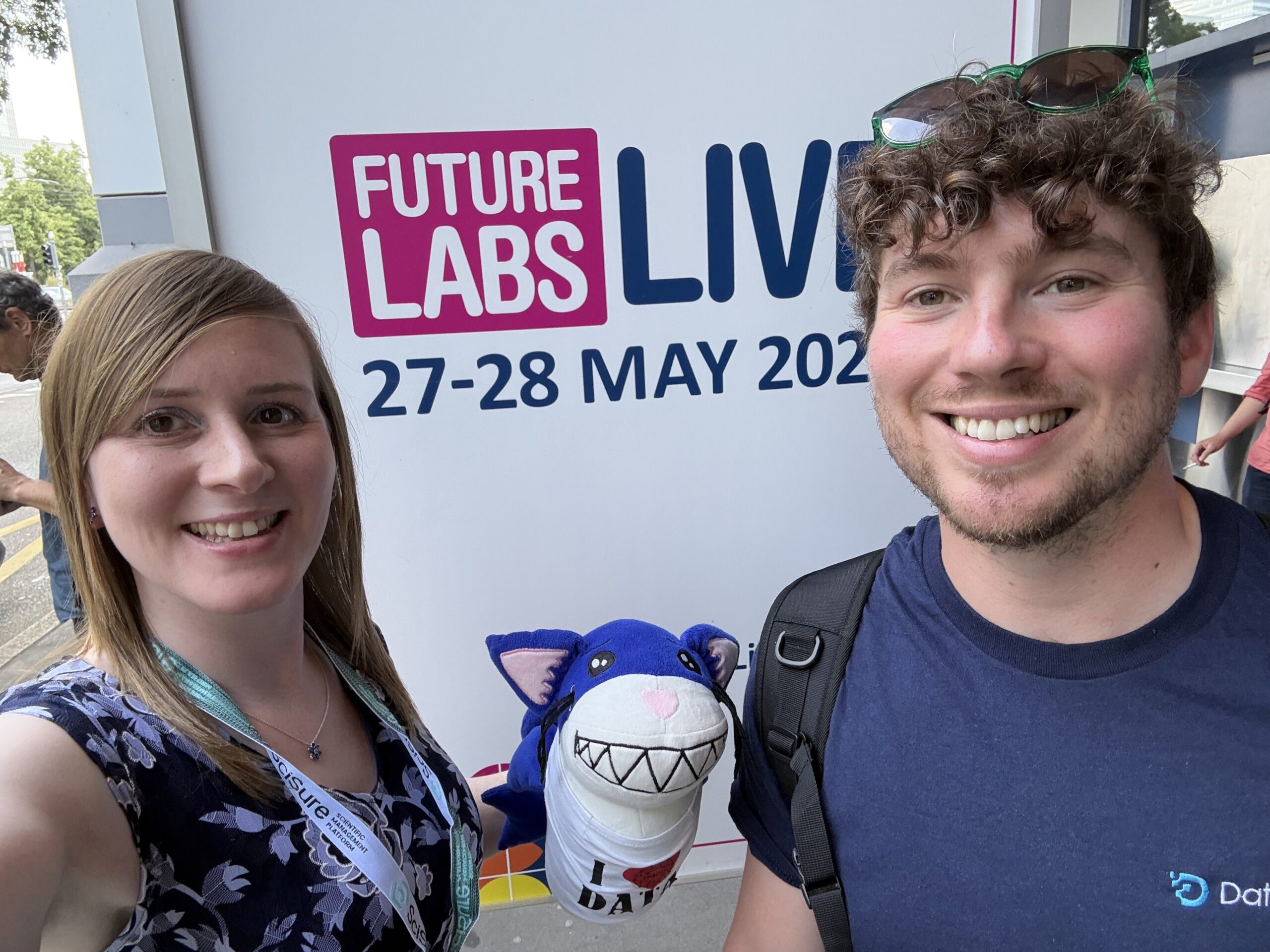
Samantha Pearman-Kanza from PSDI, and Samuel Munday from Project Partner Data Revival and Sharkcat at Future Labs Live
Across the talks, panels, and informal discussions, one theme stood out consistently: data, namely how we create it, structure it, and ultimately make it usable, and how this underpins both FAIR and AI ready research.
FAIR starts at creation
A key contribution from PSDI came through Samantha Pearman‑Kanza’s presentation, “ELNs Don’t Make Data FAIR — but Your Implementation Can Bring the FAIRy Tale to Life.” The talk challenged a common assumption: that implementing an Electronic Lab Notebook (ELN) will automatically produce FAIR data.
In practice, the situation is far more complex. ELNs digitise workflows, but they do not magically improve them. If poorly structured, inconsistent, or incomplete practices are transferred directly from paper into an ELN, the result is data that is digital, but still not reusable.
The central message was that FAIR data begins at the point of creation. It depends on planning, structure, and consistency, supported by good data stewardship throughout the research lifecycle. Thoughtfully implemented ELNs can guide better practice, but they cannot compensate for weak foundations.
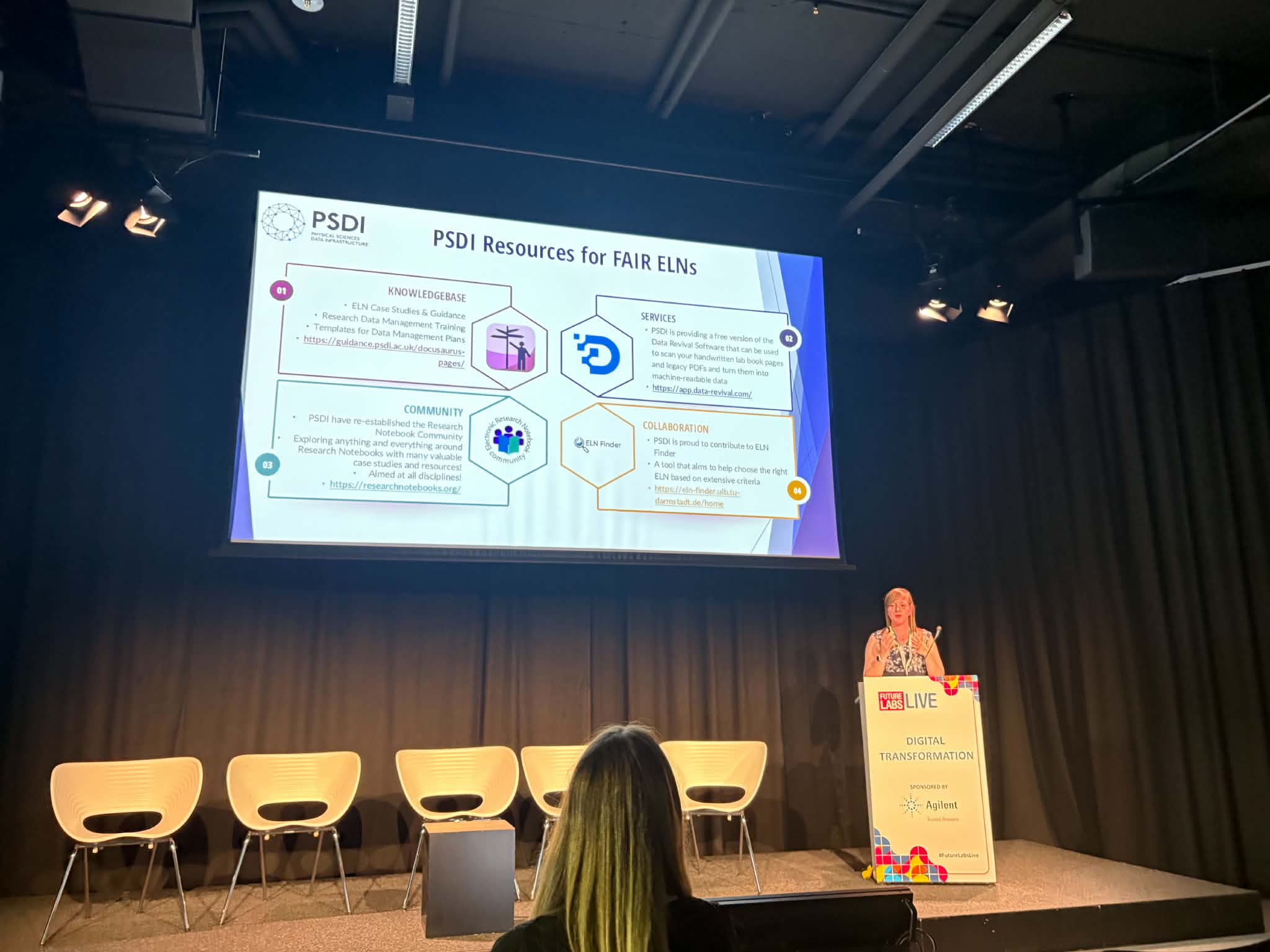
Samantha talking about the range of PSDI resources that can help with FAIR Data and FAIR ELNs.
ELNs in Practice, From Implementation to Interoperability
ELNs were explored further through a panel chaired by Samantha on day 2 of the conference, entitled, “More than a paper substitute, ELNs from implementation to interoperability.”
The discussion began with implementation strategies, where there was strong agreement on the importance of a top-down approach, combined with meaningful engagement with end users. Successful deployments were seen to depend not only on selecting the right platform, but on understanding how researchers actually work, and supporting them with ongoing training and guidance.
The conversation then moved on to how ELNs are used in practice, highlighting clear differences between industry and academia. From an industrial perspective, there was a strong emphasis on managing intellectual property, ensuring data security, and maintaining robust records for compliance. In contrast, academic users were more focused on enabling data sharing, supporting publication, and ensuring that research outputs could be reused by others.
These differing priorities were also reflected in discussions around interoperability. For industry participants, this was largely about ensuring ELNs could integrate effectively with laboratory instruments and internal software systems. Academic perspectives, however, centred more on interoperability between different ELN platforms, and the ability to export data in usable, structured formats that could be shared and reused.
Despite these different viewpoints, there was strong consensus on one critical point, the importance of a clear data exit strategy. Avoiding vendor lock in, understanding export options, and ensuring the availability of robust APIs were all highlighted as essential considerations when selecting and implementing ELNs, and enabling long term flexibility and interoperability.
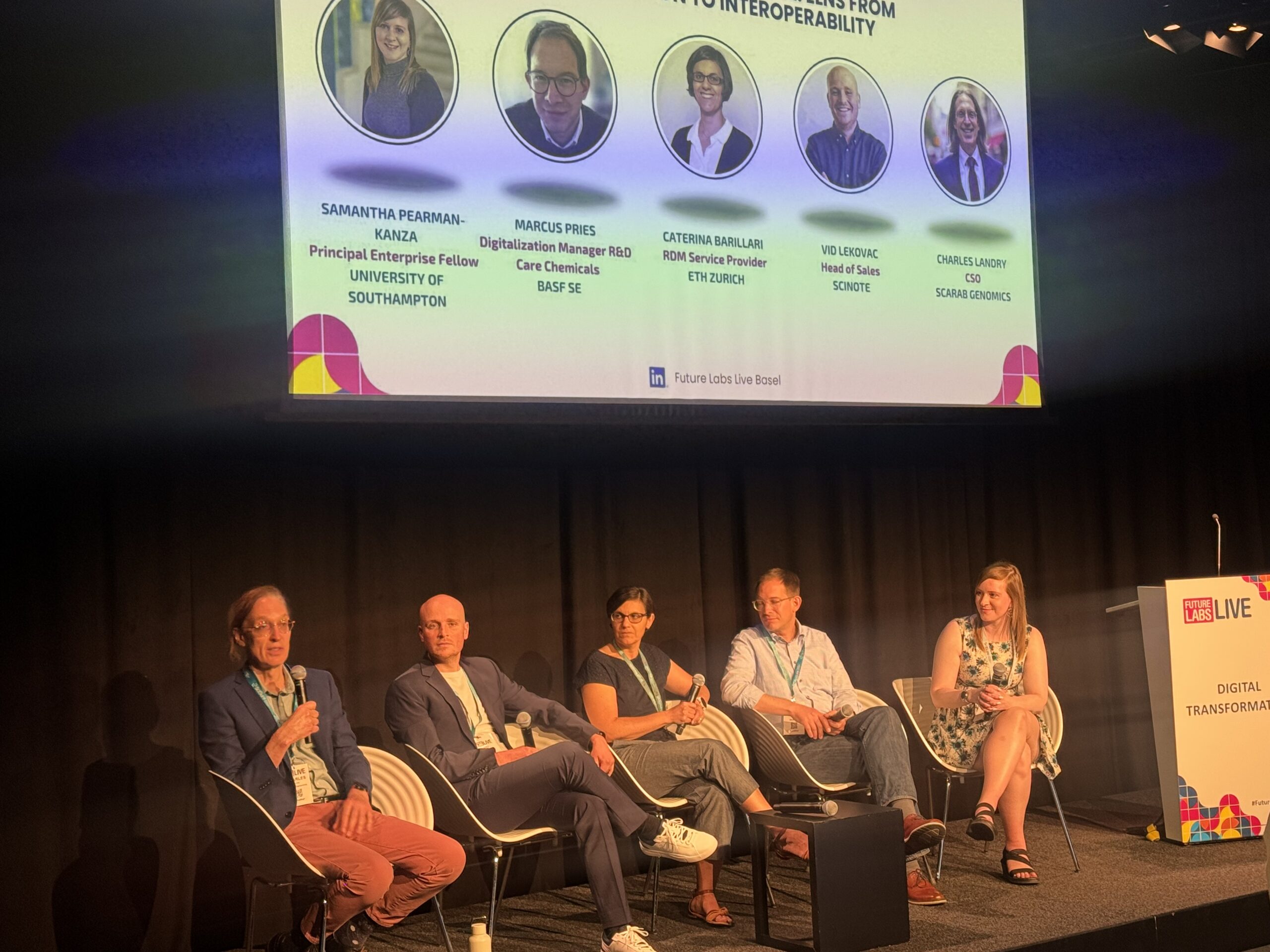
The Panel discussion: “More than a paper substitute, ELNs from implementation to interoperability” moderated by Dr Samantha Pearman-Kanza, with panellists: Marcus Preis (BASF SE), Caterina Barillari (ETH Zurich), Vid Lekovac (SciNote) and Charles Landry (CSO)
From ELNs to Legacy Data, Addressing the Missing Middle
A natural extension of this discussion was the question of what happens to data beyond current workflows. While many organisations are investing in ELNs and focusing on capturing new data effectively, far less attention is being given to legacy data.
A recurring point was that many organisations are focusing digital transformation efforts on current and future datasets. While this is an important step, significantly less attention is being paid to historical or legacy data, largely because it is complex, inconsistent, and difficult to process at scale. This creates a significant gap, where valuable scientific knowledge remains effectively locked away and unavailable for modern, AI-driven workflows.
This is precisely the space that Data Revival seeks to address. By transforming legacy data into structured, reusable formats, it enables organisations to connect past and present datasets, unlocking insights that would otherwise remain hidden.
It was therefore particularly valuable to have Sam Munday from our project partner Data Revival attending Future Labs Live and contributing to these conversations around data readiness and reuse. You can explore the free version of Data Revival via PSDI here: www.data-revival.com
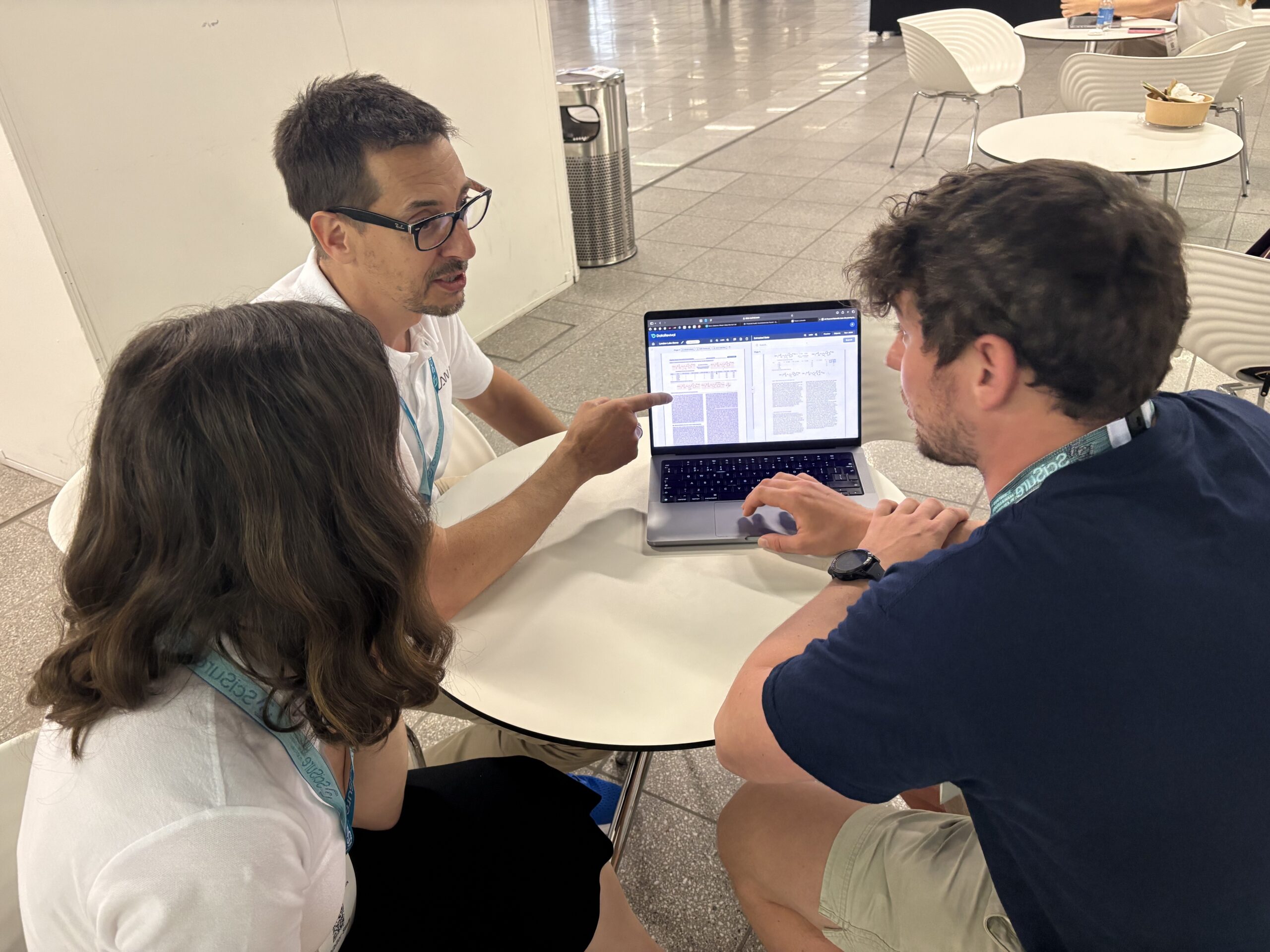
Samuel Munday of Data Revival (right), showcasing the latest software at Future Labs Live.
AI Ready Data and Responsible AI
AI ready data was a prominent theme throughout the conference, with several panels exploring what it means in practice. Samantha also chaired the closing panel, “Breaking Bias: Can we create fair and ethical AI?”, which brought together many of the key threads discussed across the event.
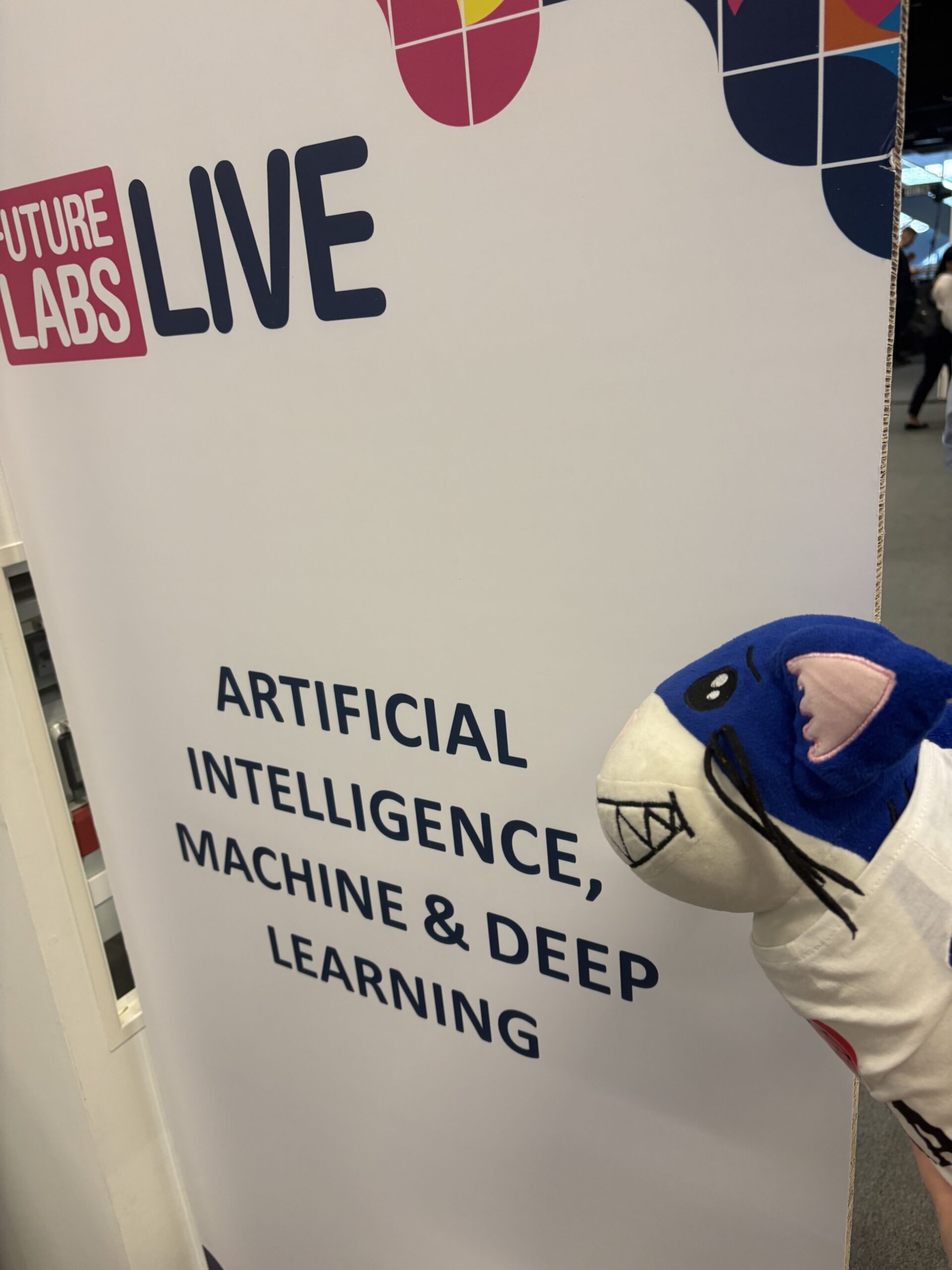
Sharkcat eager to join in with insightful discussions about AI, after all his initial employment at Southampton was for the AI 4 Scientific Discovery Network, before he was redeployed to PSDI
A clear message that emerged was that AI readiness is not just a technical challenge, but a sociotechnical one. Data may appear well structured and of high quality, but without sufficient context or provenance it quickly loses its value and limits its potential for reuse. Domain expertise was consistently highlighted as essential, not optional, in determining whether data is truly fit for purpose.
Trust was also identified as a key factor in adoption. Presenting uncertainty within models, rather than portraying them as flawless, can improve user confidence and engagement. More broadly, successful adoption depends as much on culture as technology. While top-down support is important, meaningful uptake requires engagement with end users and an understanding of how AI fits into their workflows.
Despite growing momentum, challenges remain. Continued reliance on tools such as MS Excel limits scalability, and there is a risk of overestimating what current systems can achieve. AI cannot operate in isolation, it depends on continuous input, iteration, and, crucially, human oversight and understanding.
The panel on ethical and unbiased AI explored these themes further, with a strong focus on diversity and representation. There was clear concern that AI systems trained primarily on publicly available data may reflect only a partial view of reality, leaving important areas underrepresented. Addressing this requires diversification both in the people developing AI, and in the datasets used to train it.
There was also a consistent message about the need to educate users, not just in how to use AI, but how to question and critique it. AI should be seen as a tool to augment human capability, not replace it. When used thoughtfully, it can help to break down barriers, support more inclusive communication, and provide valuable contextual insights. However, this requires active engagement, critical thinking, and a clear understanding of its limitations.
The overarching message was clear, the future of AI in research lies in collaboration between human expertise and computational capability, making the most of the strengths of both.
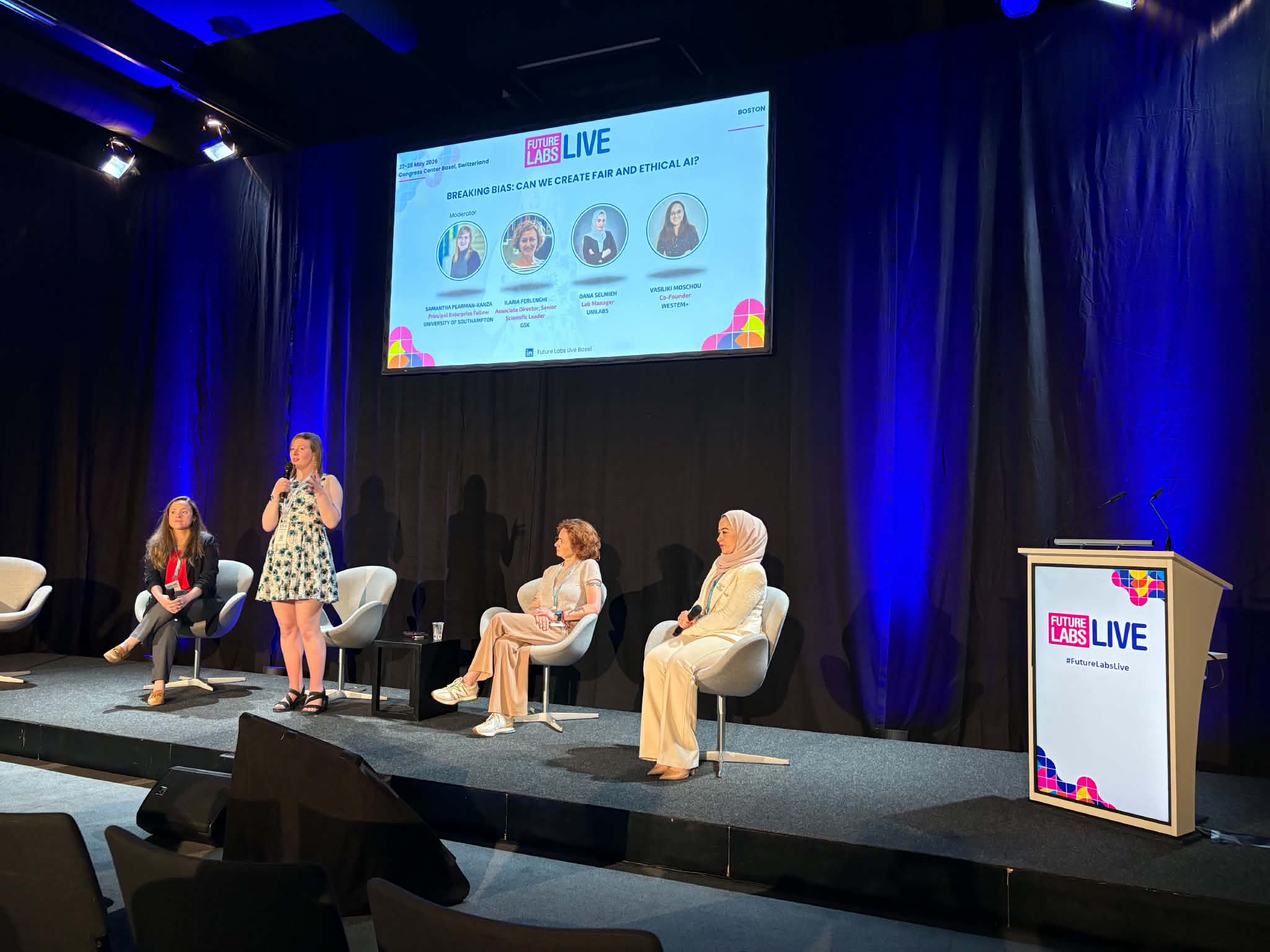
The Panel discussion: “Breaking Bias: Can we create fair and ethical AI?” Moderated by Dr Samantha Pearman-Kanza, with panellists: Ilaria Ferlenghi (GlaxoSmithKline), Dana Selmieh (Unilabs) and Vasiliki Moschou (WeSTEM+)
Looking Ahead
Future Labs Live 2026 reinforced a key message, the future of laboratories will be shaped not just by the technologies we adopt, but by how we use them.
FAIR data, effective ELN implementation, the challenge of legacy data, and responsible approaches to AI all point to the same conclusion, success depends on thoughtful design, strong data culture, and active engagement from researchers. Crucially, it also depends on sustained investment in data stewardship, ensuring that data is created, managed, and maintained in ways that support long term reuse and evolving research needs.
As the community continues to explore these themes, the emphasis is shifting from tools alone to the practices and behaviours that make them successful.
Engaging with PSDI
At PSDI we are continuing our work around best practices with ELNs, both via the ERN community, and through our work with the University of Southampton School of Chemistry and Chemical Engineering department wide ELN rollout of Revvity Signals.
We are also collaborating with the AI in Chemistry Hub (AIchemy) to run our own AI Ready Data Workshop – “Transitioning from FAIR to AI Ready Data in the Physical Sciences: A PSDI & AIchemy Workshop”
If you have any interest in hearing more about any of this work, then you can contact Samantha ([email protected]).