
Transitioning from FAIR to AI Ready Data in the Physical Sciences: A PSDI & AIchemy Workshop
10:00 am - 4:00 pm
Transitioning from FAIR to AI Ready Data in the Physical Sciences: A PSDI & AIchemy Workshop
Transitioning from FAIR to AI Ready Data in the Physical Sciences: A PSDI & AIchemy Workshop
Event Details
📅Date: Thursday, 16 July
🕘Time: 10:00 am – 4:00 pm
📍Location: University of Southampton, B100 Room 6009, Highfield Campus, Southampton, SO17 1BJ
About the Workshop
In recent years, the physical sciences community has been generating increasingly large and complex datasets, at a scale that is now beyond what can be fully explored or analysed by humans alone. As a result, researchers are turning to AI and machine‑learning techniques, which have matured significantly and offer powerful new ways to extract insight from data. However, while the adoption of FAIR data principles has improved data sharing and reuse, experience is showing that FAIR does not necessarily mean AI‑ready. Many datasets remain difficult to use effectively in AI and Machine Learning models.
This interactive workshop has been co-created by the Physical Sciences Data Infrastructure (PSDI) and the AI in Chemistry Hub (AIchemy). It aims to bring together researchers, data professional and infrastructure developers to facilitate knowledge exchange and explore what it truly means to be “AI Ready”. The workshop is comprised of invited presentations, lightning talks from participants and interactive discussion sessions. The talks will share current practices, highlighting successes and challenges, and the discussion sessions will explore the practical approaches and tools for evaluating and improving AI readiness.
Audience
This in-person event is aimed at anyone interested in dataset standards, curation, and developing robust methods to assess the applicability and reliability of data for reuse. It will be particularly relevant for researchers and research software engineers working with data and AI/ML, data stewards and research data managers, infrastructure and platform developers, and scientists interested in enabling future reuse of their datasets.
Lightning Talks
Applications for Lightning Talks have now closed.
The organising team is currently reviewing submissions and will notify successful applicants by 26 June 2026.
Agenda
- 10:00 – 10:30 Registration + coffee
- 10:30 – 10:35 Housekeeping + Intro
- 10:35 – 10:45 Introduction to PSDI
- 10:45 – 10:55 Introduction to AIChemy
- 10:55 – 11:10 Setting the Scene
- 11:10 – 11:25 Coffee Break & Networking
- 11:25 – 11:45 Aileen Day – What did PSDI learn when making physical sciences datasets AI ready?
- 11:45 – 12:05 Matthew Partridge – Making a data collection AI Ready
- 12:05 – 12:25 Nessa Carson – Building trustworthy, reusable reaction data
- 12:25 – 12:45 Otello Roscioni – Balancing FAIRness and Data Sovereignty n Computational Materials Science
- 12:45 – 13:30 Networking Lunch
- 13:30 – 14:20 Lightning Talks / Use Case Presentations
- 14:20 – 14:25 Introduce Discussions
- 14:25 – 14:55 Discussion Sessions – part 1
- 14:55 – 15:10 Coffee Break & Networking
- 15:10 – 15:40 Discussion Sessions – part 2
- 15:40 – 16:00 Wrap Up
Event Travel
The University of Southampton is accessible via various different transport links
- Travelling by Train: Southampton Airport Parkway is the closest station, but Highfield Campus is also close to St Denys and Southampton Central Station
- Travelling by Bus: Highfield Campus is on the bus route for all Unilink Busses
- Travelling by Car: Highfield Campus has very limited parking, and unfortunately the usual short stay car park is temporarily closed. You can find nearby parking at Hampton Car Park – please ensure you pay for your parking using the signs provided to avoid any unnecessary parking charges.
Bio
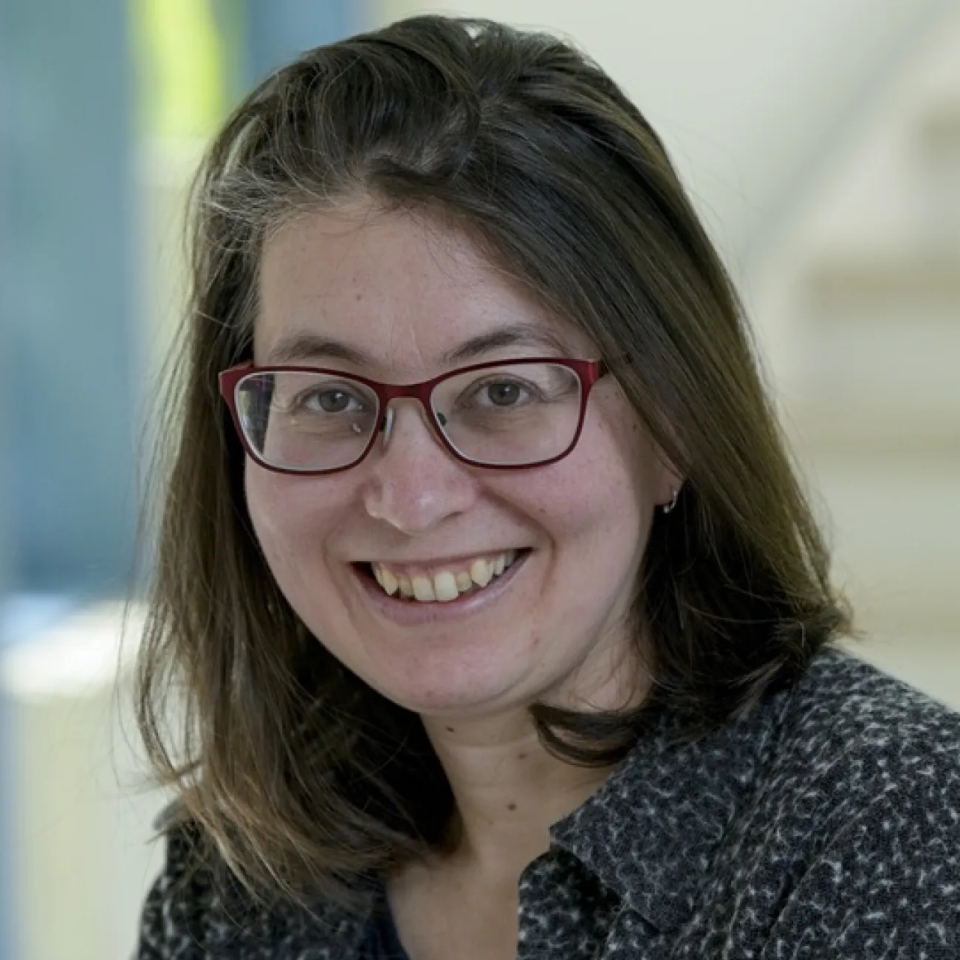
Dr Aileen Day is currently working as Senior Data Engineer of Physical Sciences Data Infrastructure (PSDI) leading the development of its metadata. This involves applying best practices in designing the metadata schema, development of tools and workflows to support metadata input, update and validation, integration with other PSDI services and providing support and guidance to PSDI contributors and users. Throughout her career she has worked with one foot in science (Chemistry and Materials Science) and one foot in computing (computer modelling, programming, databases). Aileen initially studied materials science at the University of Cambrige, then completed a PhD in the chemistry department at University College London (computer modelling zeolites). She has been a Materials Information Consultant for Granta Design where she worked with customers to make databases of materials properties. She also spent many years at the Royal Society of Chemistry, developing RSC publications and ChemSpider and linking them to each other and other relevant resources.
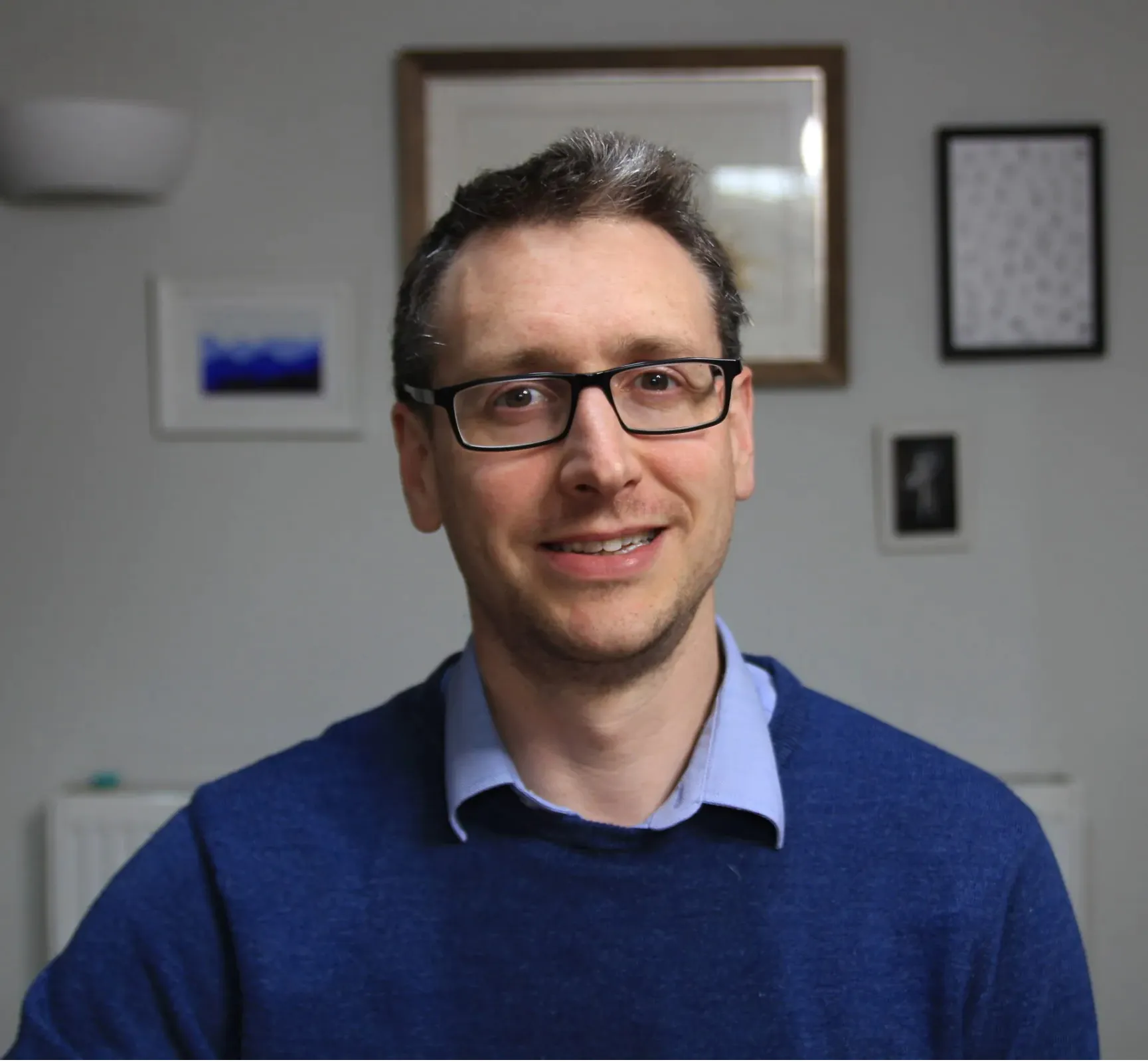
Dr Matthew Partridge is Senior Enterprise Fellow and Director of Outreach in the School of Chemistry and Chemical Engineering at the University of Southampton. His work focuses on physical chemistry data collections, and on making these more accessible and useful for the wider chemistry community. He works within the Physical Sciences Data Infrastructure (PSDI), contributing to Alchemy projects including electronic lab notebook adoption in chemistry and making data AI-ready. He also helps develop and grow the School’s outreach activities, bringing chemistry to as wide an audience as possible.
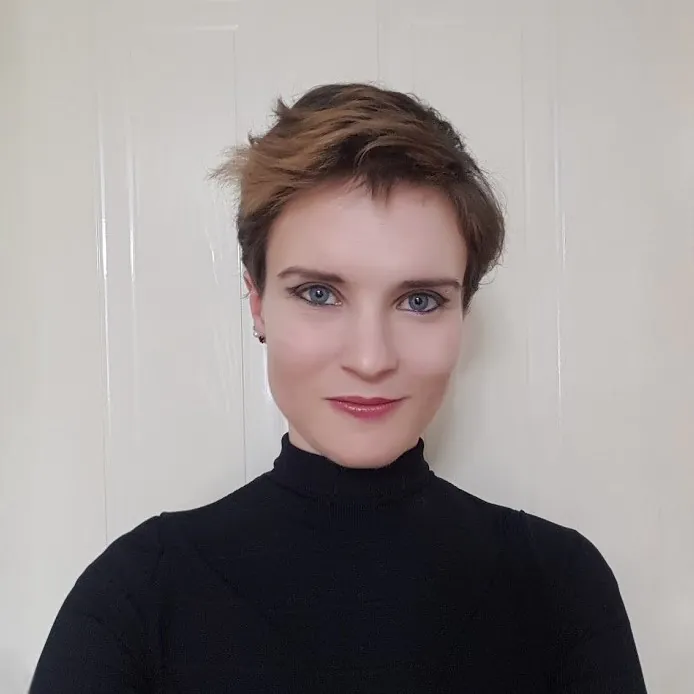
Dr Nessa Carson received Master’s degrees in synthesis and catalysis from Oxford University and the University of Illinois at Urbana-Champaign. She started out as a synthetic chemist for AMRI, then moved within the company to run the high-throughput automation facility for Eli Lilly in Windlesham, working across discovery and process chemistry, then in high-throughput reaction optimization at Pfizer and then Syngenta. Nessa moved to AstraZeneca in 2022 as Digital Champion, focussing on digital transformation and making life easier for scientists, and currently works in the Predictive Science, Digital, and Automation team. She was awarded the Salters’ Institute Centenary Award for early-career chemists with the potential to make an outstanding long-term contribution to industrial chemistry.

Dr Otello Roscioni is a PhD-qualified computational chemist who has spent four years working as an Ontologist, bringing rigorous scientific grounding to knowledge engineering. He made a key contribution to the release of the Elementary Multiperspective Material Ontology (EMMO), one of the most significant open ontologies in materials science and engineering.
PSDI Project Shows How Physical Sciences Data Can Be Made Ready for AI
Please check out this recent article by Dr Matthew Partridge and Dr Aileen Day
PSDI Project Shows How Physical Sciences Data Can Be Made Ready for AI