
In late August 2026, Dr Samantha Pearman-Kanza had the wonderful opportunity to attend the 10th Chemical Sciences & Society Symposium (CS3) on Data Science for Chemistry.
This event brought together leading researchers from the UK, Germany, China and Japan to discuss how the chemical sciences can help to tackle some of the most daunting challenges that our world faces. Samantha formed part of the UK delegation, alongside Andrew Shore & Ale Palermo (Royal Society of Chemistry), Samuel Alcorn (EPSRC), Kim Jelfs (Imperial College London), Richard Bourne (University of Leeds), Tony Bristow (AstraZeneca) and Julien Michel (University of Edinburgh).
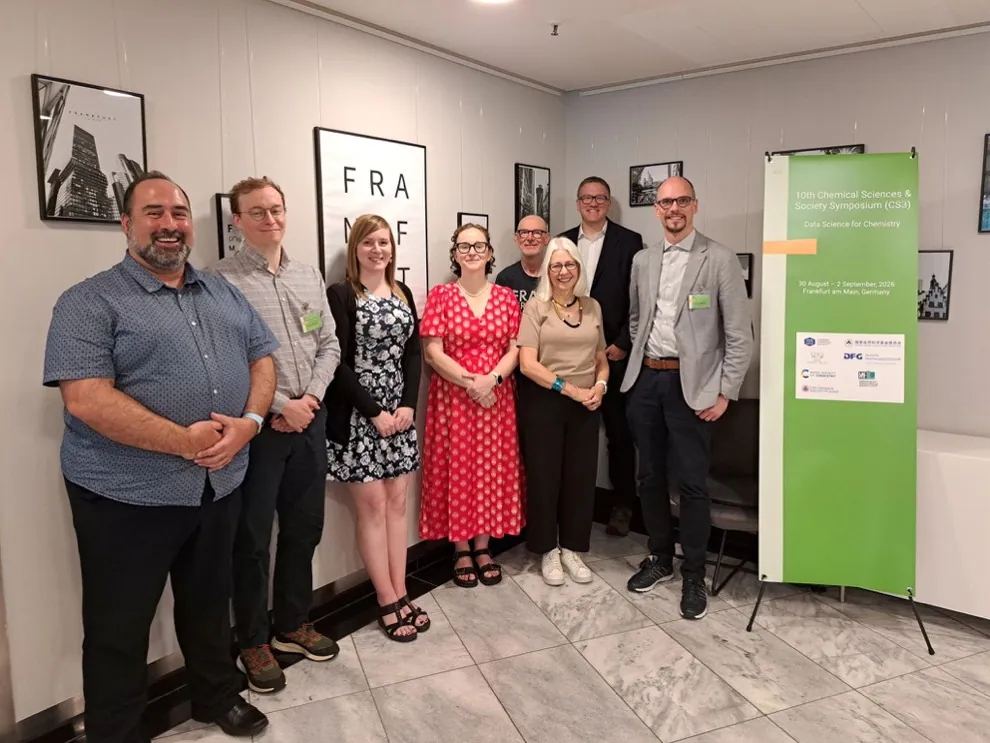
Figure 1: The UK Delegation for CS3, from right to left: Andrew Shore, Sam Alcorn, Samantha Pearman-Kanza, Kim Jelfs, Tony Bristow, Ale Palermo, Richard Bourne and Julien Michel. Photo credit: GDCh
This event series runs on a bi-yearly basis, and the hosting rotates across the four countries. This year’s summit took place in Frankfurt in the lovely Maritim Hotel, and was generously hosted by the German Chemical Society (GDCh) and the Deutsche Forschungsgemeinschaft (DFG) – German Research Foundation.
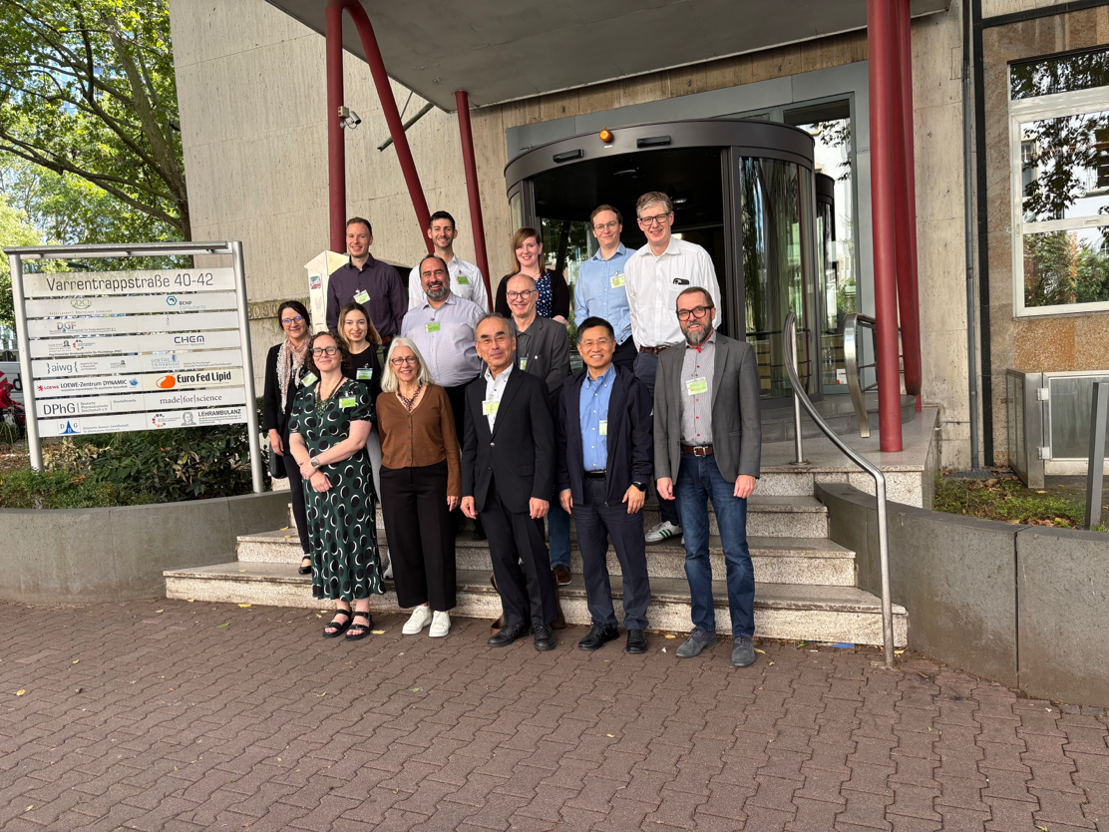
Figure 2: Some of the delegates visiting the GDCh Offices during one of the lunchbreaks. Photo credit: GDCh.
The key topics for this event were:
- Data Management
- AI Based Models
- Generative AI
- Physical AI
The first two days were equally split into 4 halves, each one fully dedicated to one of the specific topics. Each topic was given a formal introduction, followed by a 15 minute “Impulse Note” to set the scene and identify challenges, opportunities, and the hard questions that need to be addressed. These were then followed by alternating “Short Perspectives” from delegates across the four countries, interspersed with group discussions. The final day brought together all of these topics for an in-depth discussion about the key issues and recommendations that will form the basis of our whitepaper output. Samantha co-presented the first impulse note with Nicole Jung from the NFDI on “Research Data Management Towards Standardized, Falsification-Proof Data” and also provided a short perspective on “Lab Automation” as part of the Physical AI session. NB: The slides from these talks will not be shared, but the whitepaper will be made available upon completion.
Here were some of Samantha’s key takeaways from the discussions:
- AI can only ever be as good as the data we give it: AI in research will depend as much (if not more) on our data as it does on the algorithms themselves. If we do not address the issues with our data, how can we ever hope to make progress? Therefore, unlocking the full potential of AI requires investment in high-quality data capture, standards, metadata, and the utilisation of semantic web technologies to provide meaning and context to data.
- Digital comes before Automation: Achieving the digital capture of the scientific record is the cornerstone of smart, digital, AI-driven laboratories. How can we talk about futuristic labs when people are still using paper?
- We risk deepening the digital divide: There is a stark contrast between the different levels of research laboratories. Some are futuristic self-driving, with embedded AI technologies; whilst some are stuck firmly in the dark ages, using paper lab notebooks and manual processes. If we do not look to address these divides then we risk moving further apart, rather than being able to collaborate and share data.
- We should focus on the low-hanging fruit: There are many opportunities to use AI today to reduce administrative burden, automate routine tasks, and free up researchers’ time and headspace for more creative and critical thinking.
- Humans MUST remain in the loop: We should be striving for augmented intelligence, combining the strengths of human and technology, rather than trying to write humans out of the loop. Ethical, technical, and governance considerations are more vital now than ever.
- Technology adoption is ultimately a people challenge: Success depends on culture change, trust, and helping researchers understand both the benefits and limitations of these tools.
- Training is essential: We need to equip the next generation of researchers with AI and data skills, while recognising that domain expertise remains irreplaceable. We cannot risk losing this knowledge as the research workforce evolves, and we must work together to identify the skills required for the 21st century chemist.
- Collaboration matters: There is enormous value in learning from one another across disciplines, institutions, and countries about what works and what doesn’t.
- Digital Research Infrastructures (DRIs) are critical: They provide the data, tools, methods, and infrastructure needed to underpin trustworthy and effective AI-enabled research.
Samantha’s biggest takeaway is that these challenges cannot be solved by technology alone. They are socio-technical challenges, where the people matter a great deal. People are often cited as the biggest barrier to change. However, there is a positive side to that: if people are the biggest potential barrier, then they also have the capacity to make the most significant difference.
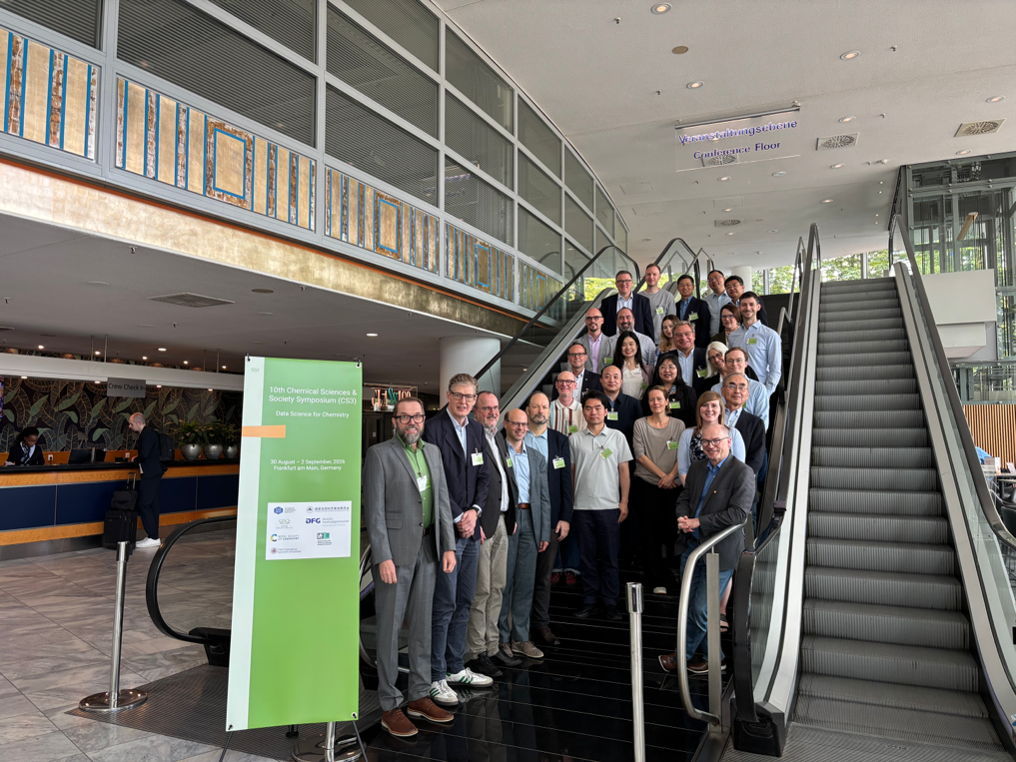
Figure 3: The full delegation at the Maritim Hotel. Photo Credit GDCh.